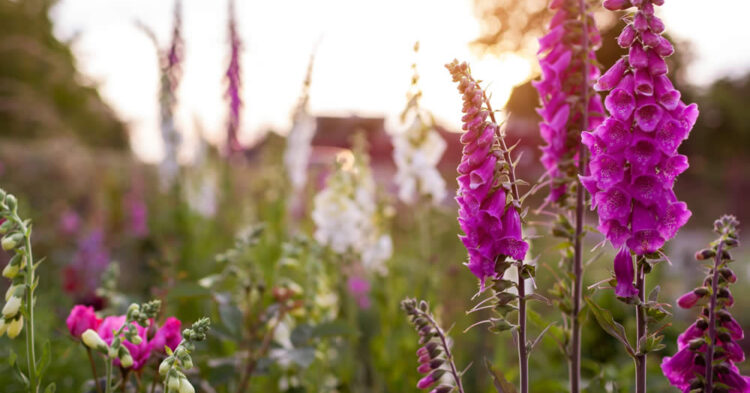
Digitalis, commonly known as foxglove, is a genus of about 20 species of herbaceous perennials, shrubs, and biennials. Native to Europe, western Asia, and northwestern Africa, foxgloves are admired for their tall, striking flower spikes adorned with tubular blooms, which can be purple, pink, white, or yellow, often with speckled throats. These blooms make them a favourite in ornamental gardens, attracting pollinators like bees.
Digitalis in 9cm and 1ltr Pots
EN Coxhead currently has Digitalis available in both 9cm and 1ltr pots. Digitalis Cream and Lavinder are available in 9cm, with Cream, Lavender, Peach and Rose being available in 1ltr. For up to date availability or to place an order, call the EN Coxhead sales office on 01772 612246, or email us on info@encoxhead.co.uk.
Caring for Digitalis
Caring for Digitalis is straightforward, making it a popular choice for cottage and woodland gardens. It thrives in partial shade, though it can tolerate full sun in cooler climates, and prefers well-drained, moist, fertile soil enriched with organic matter. Ensure good air circulation by spacing plants 30-45 cm apart to prevent fungal diseases.
Watering Digitalis
Water regularly to keep the soil consistently moist, especially during dry periods, but avoid overwatering to prevent root rot. Mulching around the base helps retain moisture and suppress weeds. A light application of balanced fertiliser in spring encourages healthy growth and flowering, though over-fertilising can lead to excessive foliage at the expense of blooms.
Promote further blooming
Deadheading spent flowers promotes further blooming and controls self-seeding. However, if you wish for natural reseeding, allow some flower spikes to mature and set seed. After flowering, cut back the flower spikes to tidy the plant. In colder regions, mulching in autumn helps protect the roots from frost. Biennial varieties form a rosette of leaves in their first year and flower in the second before dying, though they often self-seed to sustain their presence in the garden.
Monitoring and Care
Monitor Digitalis for common pests like aphids, slugs, and snails, and ensure good airflow to prevent powdery mildew and leaf spot. Due to its toxicity, always wear gloves when handling Digitalis, as its sap can irritate the skin, and keep the plant out of reach of children and pets. With proper care, Digitalis rewards gardeners with tall, striking spires of bell-shaped flowers that attract bees and add vertical interest to any garden, making it a poplar addition to ornamental gardens everywhere.
Trade Enquiries
For Digitalis trade enquiries call the EN Coxhead sales office today on 01772 612246, or email us on info@encoxhead.co.uk.