Watering is key to growing plants well. This not only means providing the water our gardens need, but using it wisely. Water is a precious resource and supplies in the UK are under pressure from the effects of climate change, population increase and the need to protect the environment, such as river levels for wildlife.
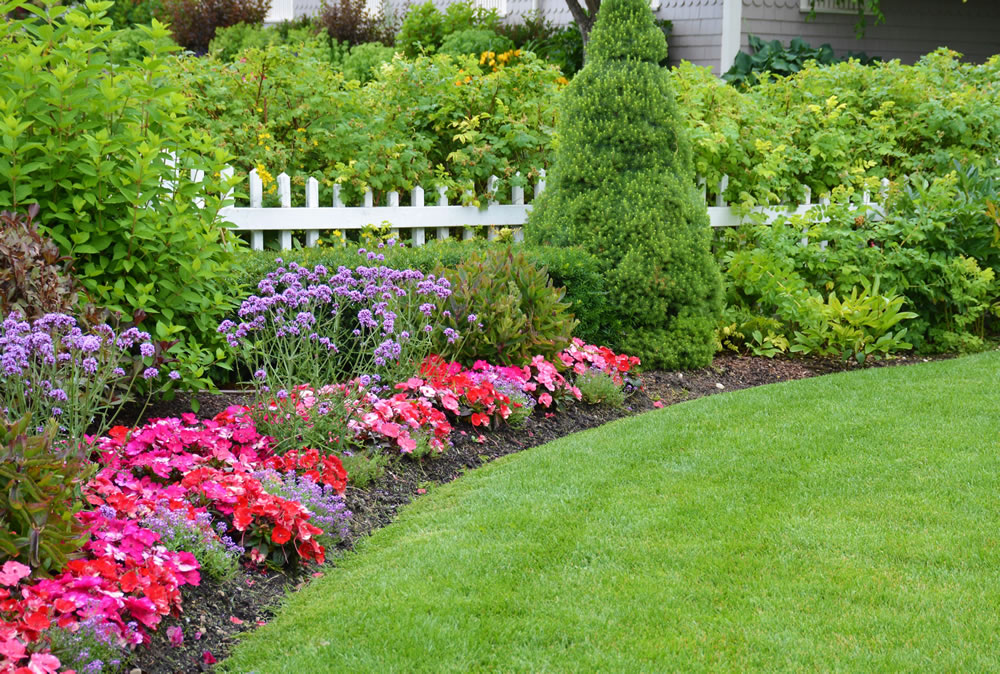
Water in the mornings
According to the RHS, you should water in the mornings, if you can, as this is when the sun comes up and plants will start to use water. The foliage and soil surface is also likely to stay drier for longer than evening watering, discouraging slugs, snails and mildew diseases. Plants start to transpire in sunlight, drawing water from the soil, through their roots, up their stems and out through tiny pores on their leaves called stomata. Evening watering is also fine, as the cooler conditions mean less water is lost to evaporation.
Watering in the heat of the day is not a good idea as much water is lost through evaporation from the surface of the soil and the plants will use water more efficiently if watered in the cooler parts of the day.
Watering frequency
We’re frequently advised to ‘keep plants well watered’ but just how often should that be and how do we know if a plant is getting enough water?
There is no simple rule of thumb for watering as each plant has different needs – for example, a container plant in hot sunny weather may need watering daily, whereas a mature shrub might only need a drink in extreme drought. But below are some things to think about and look for to help you get it right for your plants. It’s good to remember, plants will use more water if more water is made available to them, so you can allow them to dry out a little between watering and they don’t need to be wet all the time.
How to water
Plants can only effectively use water through their roots, taking water from the surrounding soil or compost. So water needs to get to where it’s needed, at the tip of the roots and not the leaves. Wet or humid foliage will encourage fungal problems and evaporation from the surfaces.
Watering more thoroughly, but less frequently helps get the water down to the deeper root tips. It is better to water the garden before drought really sets in, to keep the soil moisture levels even and avoid the soil being continuously dry. But, equally important, the soil doesn’t have to be really wet all the time because plants roots need air as well as water to grow well. Consider the way we drink a glass of water, it doesn’t have to be full all the time, but we might prefer it was topped up half way rather than it becoming completely empty.
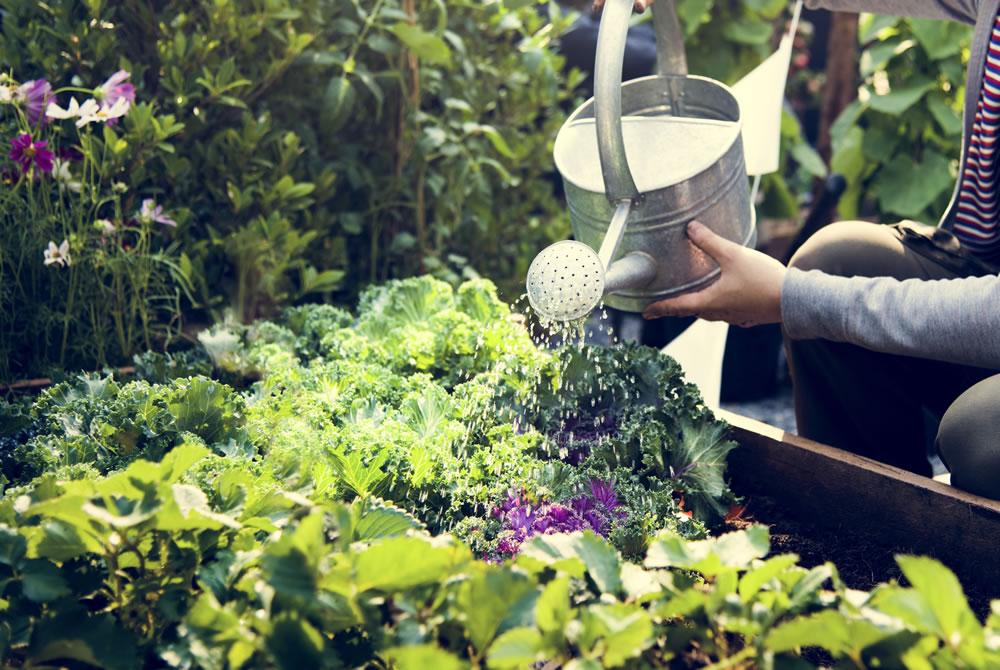
How much water to apply
How much water is needed will depend largely on the water requirements of that particular plant and how actively it is growing. The type of soil or growing media as well as weather are also important considerations.
Light sandy or chalk soils need watering more frequently than heavy clay soils, but less water can be applied at each watering, as the excess will drain away easily. Heavier, clay-based soils can be watered less frequently, but need heavier applications of water because they hold more water within their structure. Adding organic matter increases the water holding capacity of most soils.
When watering containers, try adding 10% of the volume of the container at each watering. So for a 10 litre patio pot, add 1 litre of water. Pour it on slowly, aiming to keep it in the pot and not allow it to drain out of the bottom. A saucer placed under the pot will catch any excess and allow it to be re-absorbed. For small containers, gently lift the pot after watering to see if it feels heavy, and if not, add a little more water. You will soon gauge how light the pots are when they are in need of water.
If plants have wilted between waterings, you may need to water more often, but slowly and thoroughly so that the water reaches the root zone. Avoid disturbing the soil surface if you can, by slowing the flow. Pop a rose attachment on your watering can, a variable nozel on your hose or simply reduce the pressure at the tap. This will allow water to infiltrate into the soil more slowly.
By following these simple guidelines, and adjusting them to your plants’ specific requirements, you should maintain not only the health and appearance of your plants, but also their longevity.

