As we move toward the end of the year it is time to start preparing your growing beds for spring.
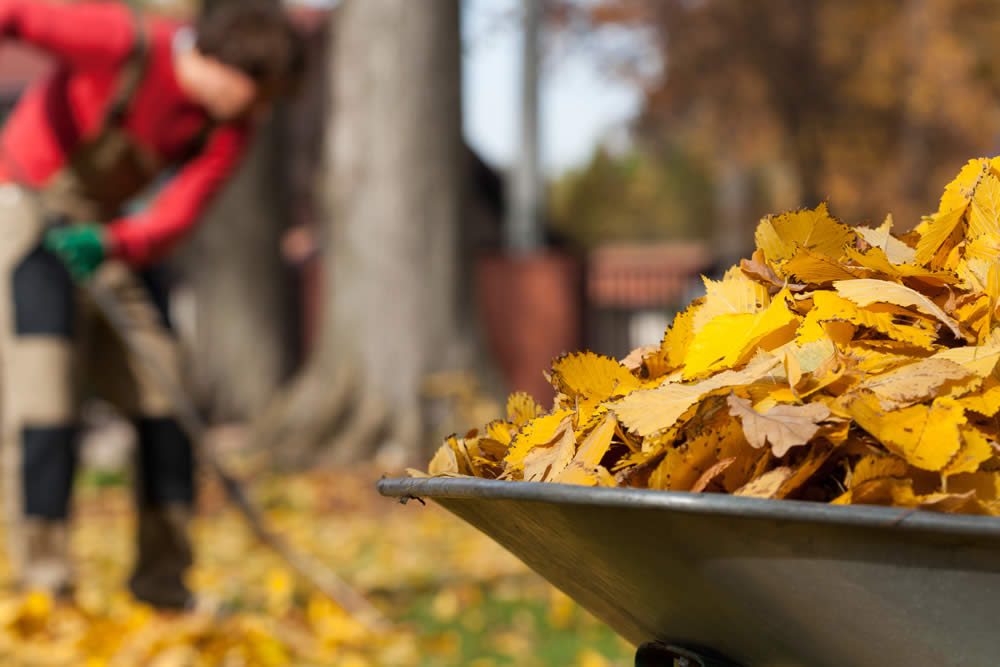
After completing any required pruning and cutting back, finish the autumn tidy-up of leaves from beds and borders if you have not already done so. It is especially important to clear leaves and debris from alpines, as they will die off if covered in damp for any length of time. Bare patches can be spread with gritty compost to encourage the re-growth of surrounding clumps into that area.
Keep tubs and containers tidy too, cutting back and removing debris regularly. They can be mulched with compost.
According to the RHS, you should also check on tender plants outdoors to ensure winter protection is still in place, especially after storms. Raise patio containers onto feet or bricks to avoid them sitting in the winter wet.
Improving drainage
Now is also the time to improve the drainage of heavy clay soils by working in plenty of bulky organic matter, such as composted bark. This will help with the spring planting of herbaceous plants such as Polyanthus and Primulas, which require well drained soil.
EN Coxhead herbaceous plants, including Polyanthus and Primulas, will be available for trade sale in the new year.
Botrytis or grey mould
To further ensure your beds are ready to receive your herbaceous plants in the spring, over winter keep an eye out for Botrytis or grey mould on spent herbaceous plants and remove affected growth. This will reduce the risk that fungal problems could spread to your new, healthy plants.
Downy mildew and leaf spot
Likewise watch out for downy mildew and leaf spot on winter pansies and crown rot and brown rots on died down perennials, especially if you are on a clay or poorly drained soil.
An impressive spring show
By preparing for spring now and ensuring your growing beds are good and ready to receive your new herbaceous plants at the start of next season, you will improve your chances of having an impressive spring show and make the most of next year’s spring planting.

